What is a biometric authentication?
Biometric authentication confirms who someone is using a trait of their body, such as a fingerprint or face. On a phone it usually unlocks a secret stored on the device.
On this page
Passwords and codes prove that someone knows something. Biometrics prove that someone has something, a fingerprint or a face, that is hard to hand to another person. The check compares a new reading with a template made earlier.
On modern phones the comparison happens in secure hardware. The template does not leave the device, and a successful match does not send your fingerprint anywhere. It lets the phone use a stored key.
Common types
Phones and ID systems use several traits:
- Fingerprint: the ridges of a finger read by a sensor.
- Face: a map of the face, often with depth sensing.
- Iris and voice: used less often on consumer phones.
One-to-one vs one-to-many
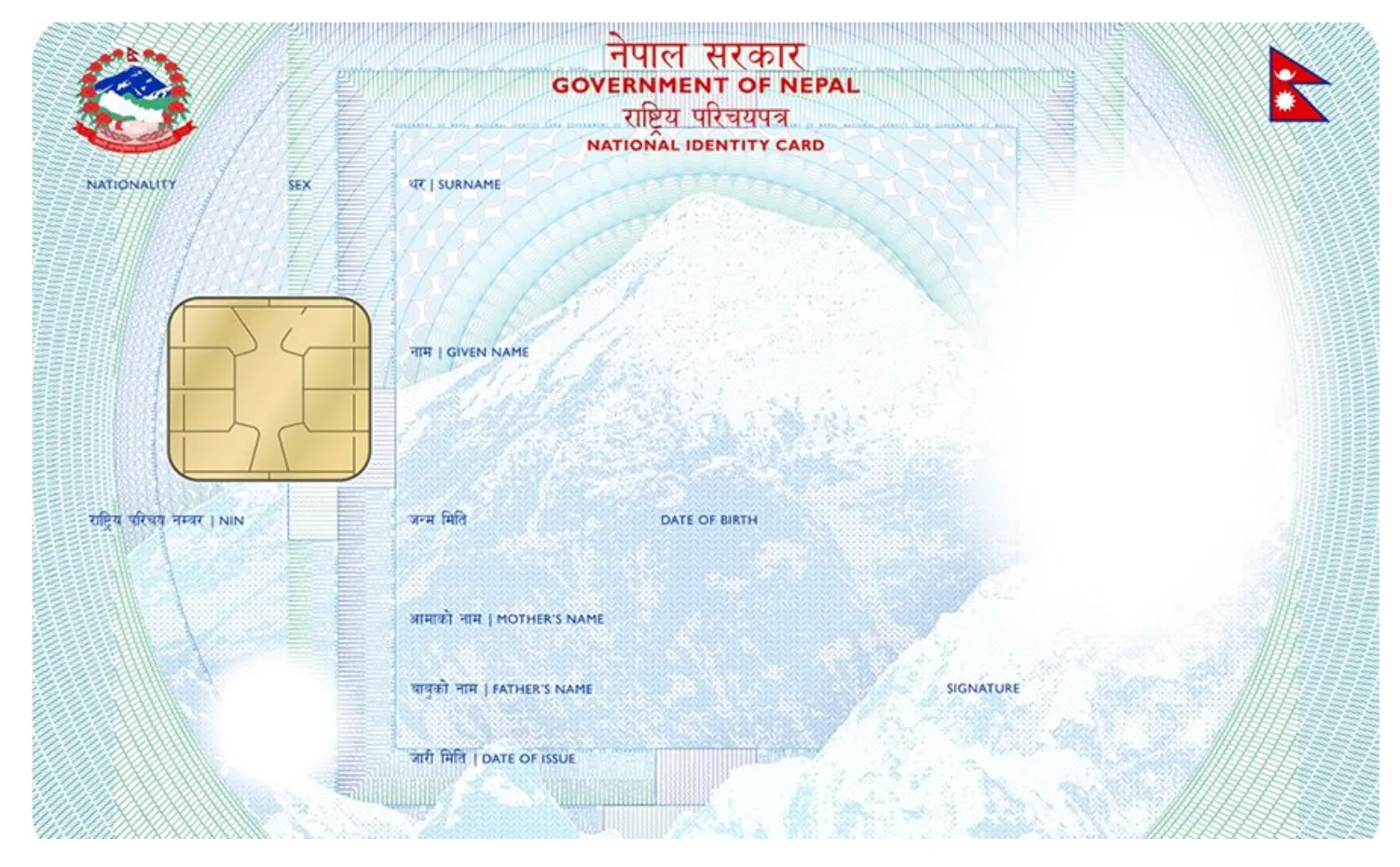
Verification compares a reading with one stored template to answer “is this the same person”. Identification searches many templates to answer “who is this”. Unlocking a phone is the first kind. The National ID, which records fingerprints at enrolment, is a database of the second kind.
Biometrics and signing keys
A match is not the signature. It is the permission to use a private key stored in the phone’s secure hardware. The key signs, and the biometric only unlocks it. That is how a digital signature can be tied to a person without sending their fingerprint to a server.
Limits
Biometrics can fail with wet fingers or changed lighting, and a fake presented to the sensor can fool weaker systems. Systems add liveness detection to check the trait comes from a live person. Unlike a password, you cannot change a fingerprint if a template leaks, which is why templates should stay on the device.
Enrolment, matching and fallback
Every biometric system has two phases. At enrolment, the sensor reads the trait several times and stores a template, a mathematical summary, not an image. At matching, a new reading is compared with the template and the system accepts if the score passes a threshold. The threshold is a trade: set it high and real users are rejected, set it low and look-alikes get in.
Fallbacks matter. A worker with worn fingerprints, common among people who do manual labour, may fail a fingerprint sensor every day. Phones therefore offer a PIN as a backup. Treat the backup as part of your security design, because an attacker will aim at the weakest option. For signing, prefer a design where the key can be released only by the biometric or a strong device PIN, with limited attempts before a lockout.
Comparing biometrics, PINs and codes
A PIN is cheap and can be changed, but people reuse it and shoulder-surfers can watch it. An SMS code proves control of a number for a few minutes, and can be intercepted through SIM swaps. A fingerprint or face cannot be forgotten or shared in the same way, but it cannot be replaced. Each factor has a place, and strong systems combine two of them, such as the phone you hold and the face you have.
For a signature, the combination matters more than any single factor. A key held in secure hardware plus a biometric means an attacker needs both the device and the person, which is much harder than guessing a code.
Consent and records
Biometric data is sensitive. Tell people what is captured, where it stays and how to remove it. On a phone, the template stays on the device, so a service never needs to hold it. If a service does keep templates, it carries the heavier duty of protecting them.
Biometrics in the ePahichan app
In the ePahichan app, the signing key is created on the phone and kept in its secure hardware, unlocked by fingerprint or face. ePahichan cannot read the key.
Questions people ask about biometric authentications
What is biometric authentication?
It is proving identity with a body trait such as a fingerprint or face.
Is my fingerprint sent to a server when I unlock my phone?
On modern phones, matching is done in secure hardware and the template stays on the device.
Is biometric authentication safer than a password?
It is harder to share or guess, but it cannot be changed if leaked. Many systems use it to unlock a stored key.
What is the difference between biometric and liveness checks?
A biometric check compares a trait with a template. A liveness check confirms the trait comes from a live person.